

La p谩gina que intenta visitar s贸lo est谩 disponible en ingl茅s. 隆Disculpa!
The page you are about to visit is currently only available in English. Sorry!

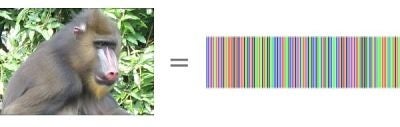
Image: Barcodingbushmeat.org
African elephants and tigers are faced with extinction, in large part due to poaching. That鈥檚 the disheartening news coming out of the Convention on International Trade in Endangered Species, or CITES, meetings underway in Qatar.
As for elephants, Tanzania and Zambia are petitioning CITES to 鈥渄ownlist鈥� the mammal鈥檚 conservation status so they can legally sell stockpiled ivory. The countries say the prized tusks come from elephants that died naturally or were seized from poachers. 鈥淏ut conservationists argue that over the pastcade illegal poaching has risen steadily, and if the elephant is downlisted in some African nations it could have a devastating impact for the species as a whole,鈥� Time .
The situation is even more dire for tigers. Willem Wijnstekers, secretary general of CITES, said the world has 鈥渇ailed miserably鈥� at protecting the creatures, which are on 鈥渢he verge of extinction,鈥� the AP . In order to conserve the , Wijnstekers says countries will have to develop conservation strategies and cooperate with international agencies to halt poaching and the illegal tiger products trade.
One approach that might help crack down on illegal killings of these and other endangered animals involves DNA analysis. The technology is already being tested on the ground. While the technology is still improving, in the near future anyone from biologists to law-enforcement officials might be able to plop a bit of tissue into a handheld device and tell which species it came from.
探花精选鈥檚 Susan Cosier recently , and its potential affect on endangered species conservation:
Gorilla. Duiker. Mandrill. The six fingernail-sized pieces of dried, smoked meat ready to be analyzed on the warped table in an impromptu lab in the Cameroonian jungle could belong to any, or none, of these animals. That鈥檚 what Sarah Burgess-Herbert, a biologist at the Zoological Society of San Diego, California is here to find out. Using minimal equipment, Burgess-Herbert is testing whether she can extract DNA sequences, or bits of genetic information called barcodes, from these samples confiscated by Cameroon鈥檚 Ministry of Forestry and Wildlife. Then she鈥檒l try to identify their origin. It鈥檚 a process that鈥檚 easily done in a traditional laboratory, but it鈥檚 a challenging feat in this remote locale, where sterile space, supplies, and equipment can be hard to come by.
If the experiment is successful, the portable laboratory could help to crack down on the illegal bushmeat trade. Not all wild animal meats are illegal to sell, but with more logging, roads, and access to previously untouched areas, hunters can reach rare, exotic wildlife, which end up in the market. Instead of sending meat samples elsewhere to be tested, a mobile test kit could help local authorities better track which species are being sold illegally as bushmeat, and provide evidence to prosecute providers of these illicit victuals. Burgess-Herbert is just one researcher in an international effort to curtail the bushmeat crisis using forensic genetics.
Continue reading the story .