

La p谩gina que intenta visitar s贸lo est谩 disponible en ingl茅s. 隆Disculpa!
The page you are about to visit is currently only available in English. Sorry!

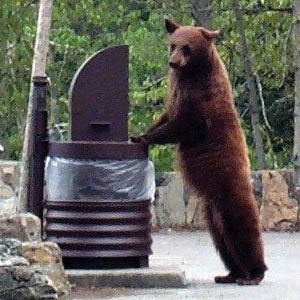 Nearly 30 states across the nation have a fall black bear hunting season. As black bear populations have increased鈥攁long with bear/human incidents鈥攕ome states are considering expanding the number of hunting permits allotted to take the creatures. For the first time in five years, New Jersey is considering a state-approved bear hunt. On the opposite coast, California proposed changes to broaden where and how the omnivores can be hunted.
On May 6, Colorado's Wildlife Commission approved a plan to increase the number of bear tags from 630 to 1,035 in the Aspen area (hunters typically only kill about 5 percent of the brs they're licensed to hunt there).
Last month the California Fish and Game Commission rejected the proposal to expand bear hunting grounds or eliminate the cap on the number of the animals that can be killed each season, after the agency had been "deluged with public comments," the reports: "Officials said they had not had time to respond to them all. By law, all comments must be answered before changes are made."
In New Jersey, supporters and opponents gathered on Tuesday to speak at a black bear management policy hearing.
From:
| Sportsmen groups, appearing to outnumber those against hunting bears, said science-based research supported hunting to reduce risky human-bear interactions, which wildlife officials say are on the rise."As an outdoorsman, I'm always thrilled to see a bear in my backyard, but it's not fun to see a bear on my deck," said August Gudmundson, who supports the hunt. |
Similarly, Colorado's plan to allow more bears to be killed comes in response to a growing number of conflicts between humans. From the :
| The commission鈥檚 decision came despite e-mails from some 200 opponents who criticized the Division of Wildlife for trying to shoot its way out of the problem rather than deal with human behaviors that lure bears into town in search of trash cans and other sources of food. |
In the current issue of 探花精选, I take a look at the different techniques wildlife officials are employing to try to scare bears away from human food sources.
From :
Black bears in the Adirondacks have learned to pop the tops off bear-proof food canisters. Yosemite black bears preferentially claw their way into minivans littered with cookie crumbs and chips. Their kin in New Hampshire notoriously destroy feeders in an attempt to gorge on birdseed.
For people, such conflicts can result in property damage or, rarely, personal harm. For bears, the consequences can be deadly. Urban black bears are more sedentary, weigh more, and die younger than their wilderness-dwelling counterparts. Bears that repeatedly go after human food are put down. 鈥淚t is a comprehensive problem that鈥檚 going to take comprehensive solutions,鈥� says Randy Hampton of the Colorado Division of Wildlife. 鈥淭here are rubber bullets, but there鈥檚 no silver bullet.鈥�
Despite aggressive campaigns鈥攏ewspaper articles, campground storage lockers, signs in restrooms, movies at visitors鈥� centers, signs and stickers emblazoned with 鈥淎 fed bear is a dead bear鈥濃�攑eople are careless. 鈥淭he most effective way to raise awareness is one-on-one contact with visitors,鈥� says U.S. Fish and Wildlife Service biologist Rachel Mazur. 鈥淏ut park staff can鈥檛 talk to every visitor.鈥�
Efforts to outsmart bears have had mixed results, as seen with canisters in the Adirondacks. In Aspen an electrified mat in front of an outdoor freezer stopped bear robberies. But, Hampton says, 鈥測ou can鈥檛 put them everywhere. You can鈥檛 electrify the dumpster.鈥�
Wildlife managers have increasingly turned to 鈥渁versive conditioning,鈥� including noisemakers, rubber slugs, and chasing bears. Mazur tested such techniques on 150 bears in Sequoia National Park, where incidents have dropped from around 500 a year to 100. Hazing and rubber slugs prevented bears that didn鈥檛 regularly eat human provisions from forming that habit, she reported in the January Journal of Wildlife Management. For the 29 bears used to snacking on people food, aversive conditioning reformed 17, six required more treatment, and six were relocated or killed.
Read more .